
Creating a will and trust used to mean scheduling appointments with attorneys, paying hefty fees, and navigating complex legal jargon. Today, Online Will and Trust platforms let you handle these essential estate planning documents from your computer in a fraction of the time and cost.
If you own property, have dependents, or want control over what happens to your assets, understanding how Online Will and Trust services work could save you thousands while ensuring your wishes are legally protected. This guide explains exactly what these platforms offer, how they compare to traditional methods, and whether they're right for your specific situation.

What Is an Online Will and Trust?
An Online Will and Trust is a digital platform that guides you through creating legally valid estate planning documents without visiting a law office. These services use questionnaires, automated document generation, and state-specific templates to produce wills, living trusts, power of attorney forms, and healthcare directives.
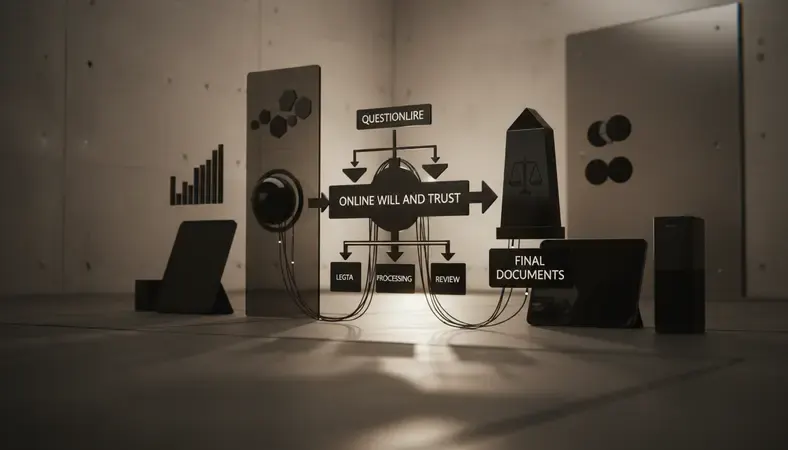
The process typically works like this: you answer detailed questions about your assets, beneficiaries, and preferences through an online interface. The platform's software then generates customized legal documents based on your state's laws. Most services include options for notarization, witness signatures, and secure document storage.
Key Insight: Online Will and Trust platforms handle the same legal functions as traditional estate planning but use technology to streamline the process and reduce costs by 70-90% compared to attorney fees.
Unlike generic legal templates you might download, reputable Online Will and Trust services create documents tailored to your state's specific requirements. They account for local laws regarding witness signatures, notarization requirements, and trust funding procedures.
Online Will vs Online Trust: Key Differences
Many people confuse wills and trusts, but they serve different purposes in estate planning. Understanding these differences helps you choose the right Online Will and Trust approach for your specific situation.
Comparison of Will vs Trust Functions
| Aspect | Online Will | Online Trust |
|---|---|---|
| When It Takes Effect | After death only | Immediately upon creation |
| Probate Process | Must go through probate court | Avoids probate entirely |
| Privacy | Becomes public record | Remains private |
| Cost to Create Online | Contact for personalized quote | Contact for personalized quote |
| Asset Management | No lifetime management | Manages assets while you're alive |
| Incapacity Protection | No protection | Provides incapacity protection |
Online wills are simpler documents that specify who inherits your assets after death and name guardians for minor children. They must go through probate court, which can take months and becomes part of public record.
Online trusts create a legal entity that holds your assets during your lifetime and transfers them automatically to beneficiaries when you die. This process bypasses probate court entirely, keeping your affairs private and often saving time and money for your heirs.
Most comprehensive Online Will and Trust services offer both documents as part of a complete estate planning package, since they work together to provide maximum protection.
Benefits of Creating a Will and Trust Online
Online Will and Trust platforms offer several advantages over traditional estate planning methods, making legal protection accessible to more families.
Cost Savings: Traditional estate planning attorney fees typically range from hundreds to thousands of dollars. Online Will and Trust services cost significantly less while providing the same legal protections.
Convenience and Speed: You can complete your estate planning documents in one sitting from home. No scheduling conflicts, no office visits, and no waiting weeks for appointments.
State-Specific Compliance: Reputable platforms ensure your documents meet your state's exact legal requirements, including proper witness signatures, notarization rules, and filing procedures.
Guided Process: Interactive questionnaires walk you through complex decisions step by step. You get explanations of legal terms and suggestions based on common scenarios.
Secure Storage: Most services provide cloud-based document storage with easy access for you and designated family members when needed.
Updates and Revisions: Life changes require document updates. Online platforms make it simple to modify your will or trust as your circumstances evolve.
How to Create a Will and Trust Online
The Online Will and Trust creation process follows a structured approach designed to ensure nothing important gets overlooked.
Step-by-Step Creation Process
Choose Your Service: Research platforms that serve your state and offer the document types you need. Look for services with attorney review options and customer support.
Complete the Questionnaire: Answer detailed questions about your assets, family situation, and preferences. This typically takes 30-60 minutes for a comprehensive estate plan.
Review Generated Documents: The platform creates your customized will and trust based on your answers. Review everything carefully before finalizing.
Handle Signing Requirements: Follow your state's requirements for witnesses and notarization. Many services offer remote notarization options.
Fund Your Trust: If you created a trust, you'll need to transfer ownership of assets into the trust. The platform should provide specific instructions for this crucial step.
Store Documents Securely: Keep original documents in a safe place and ensure trusted family members know how to access them.
The entire process can often be completed in a single day, though you might want to take time between steps to gather asset information or discuss decisions with family members.
What Should Be Included in Your Will and Trust?
Comprehensive Online Will and Trust documents should address all aspects of your estate planning needs, not just basic asset distribution.
Essential Will Components: * Asset Distribution: Specify who inherits your property, bank accounts, investments, and personal belongings * Guardian Nominations: Name guardians for minor children and backup choices * Executor Selection: Choose someone to handle your estate administration * Digital Asset Instructions: Include passwords, social media accounts, and online financial accounts * Funeral Preferences: Document your wishes for burial or cremation
Critical Trust Elements: * Trustee Appointments: Name primary and successor trustees to manage trust assets * Beneficiary Designations: Specify who receives trust assets and when * Distribution Instructions: Detail how and when beneficiaries receive their inheritance * Asset Funding Lists: Identify which specific assets transfer into the trust * Incapacity Provisions: Include instructions for managing your affairs if you become unable to do so
Supporting Documents: Most complete Online Will and Trust packages also include power of attorney forms for financial and healthcare decisions, living wills, and HIPAA authorization forms.
How Much Does an Online Will and Trust Cost?
Online Will and Trust services vary significantly in features and pricing structures. Understanding what you get at different price points helps you choose the right service for your needs.
Basic Online Will Services: Simple will creation typically costs less than traditional attorney consultations. These usually cover basic asset distribution and guardian nominations.
Comprehensive Trust Packages: Full estate planning packages including wills, trusts, and supporting documents cost more but provide complete protection. Many services offer different tiers based on complexity.
Additional Service Costs: Some platforms charge extra for attorney consultations, document revisions, notarization services, or ongoing customer support.
Hidden Costs to Consider: Factor in potential costs for trust funding assistance, document storage fees, or required updates when life circumstances change.
Most reputable Online Will and Trust services offer transparent pricing with no hidden fees. They typically provide detailed comparisons of what's included at each service level.

Is an Online Will and Trust Legally Valid?
Legal validity is the most important concern when choosing Online Will and Trust services. The answer depends on the platform's quality and your state's specific requirements.
State Law Compliance: Properly created online documents are legally valid in all 50 states, provided they meet state-specific requirements for signatures, witnesses, and notarization.
Court Recognition: Courts regularly accept online wills and trusts that follow proper legal procedures. The creation method (online vs. attorney) doesn't affect legal validity.
Key Validity Requirements: * Proper signature procedures following state law * Required number of witnesses (varies by state) * Notarization when required * Mental capacity of the document creator * No evidence of fraud or coercion
Quality Platform Features: Reputable Online Will and Trust services ensure validity by using state-specific templates, providing signing instructions, and offering attorney review options.
Potential Validity Risks: Problems typically arise from improper execution (wrong number of witnesses, missing notarization) rather than online creation itself. Choose services that guide you through your state's exact requirements.
Many Online Will and Trust platforms offer attorney review services or money-back guarantees to provide additional confidence in document validity.
Common Questions About Online Will and Trust
Are Online Wills and Trusts as Good as Attorney-Created Documents?
When created through reputable platforms, online documents provide the same legal protections as attorney-created versions. The main differences are in complexity handling and personalized advice. Online services work well for straightforward situations, while complex estates with business ownership, multiple marriages, or tax planning needs may benefit from attorney involvement.
What Happens if I Move to a Different State?
Most wills and trusts remain valid when you move, but state law differences may affect certain provisions. Many Online Will and Trust services help you understand what updates might be needed. Some platforms offer free updates when you relocate.
Can I Update My Online Will and Trust Later?
Yes, reputable services make updates straightforward. Life changes like marriages, divorces, births, or major asset changes typically require document revisions. Many platforms include revision services in their pricing or offer them at reduced costs for existing customers.
How Do I Know Which Online Service to Trust?
Look for services that offer state-specific documents, attorney review options, clear pricing, and strong customer support. Check customer reviews, verify the company's legal credentials, and ensure they provide detailed signing instructions for your state.
What if My Family Contests My Online Will?
Online wills face the same contest risks as attorney-created documents. Proper execution, mental capacity documentation, and clear instructions reduce contest risks. Some services offer additional protections like video recordings of the signing process.

Key Takeaways
Online Will and Trust services provide legally valid estate planning documents at a fraction of traditional attorney costs while offering convenience and comprehensive protection. These platforms work best for individuals with straightforward estates who want professional-quality documents without the complexity and expense of traditional legal services.
Create your will and trust at Will & Trust with state-specific documents, guided questionnaires, and secure storage — complete your estate plan in under an hour with no attorney fees required.